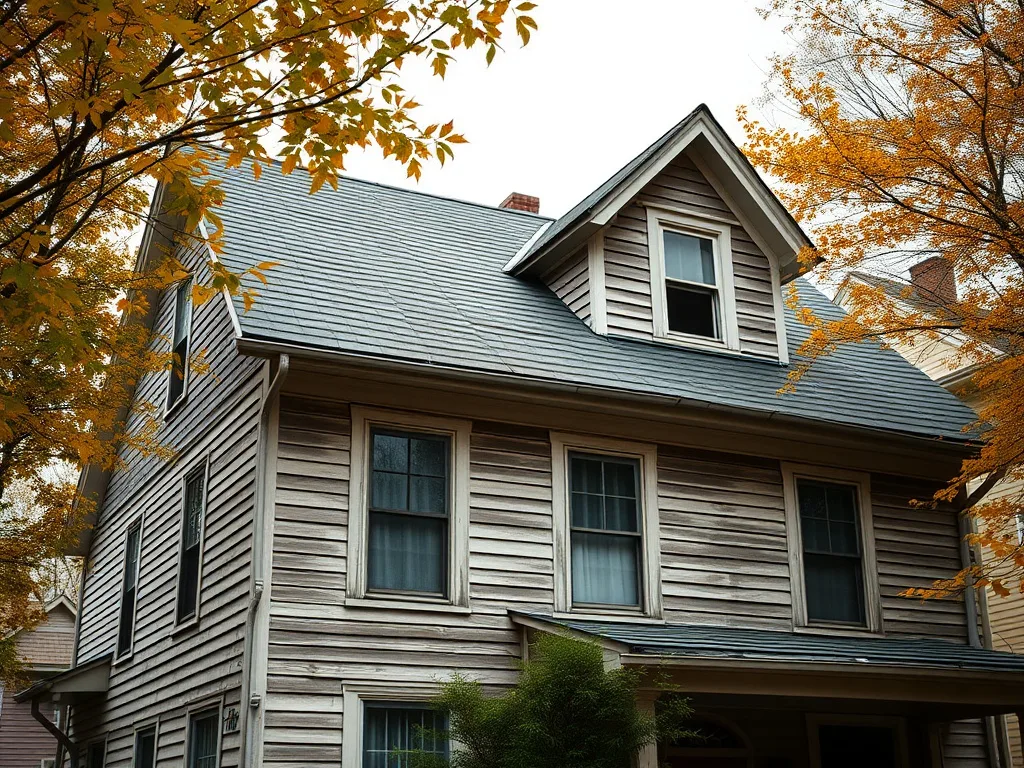
Basement and Rim Joist Insulation for Akron, Ohio Homes
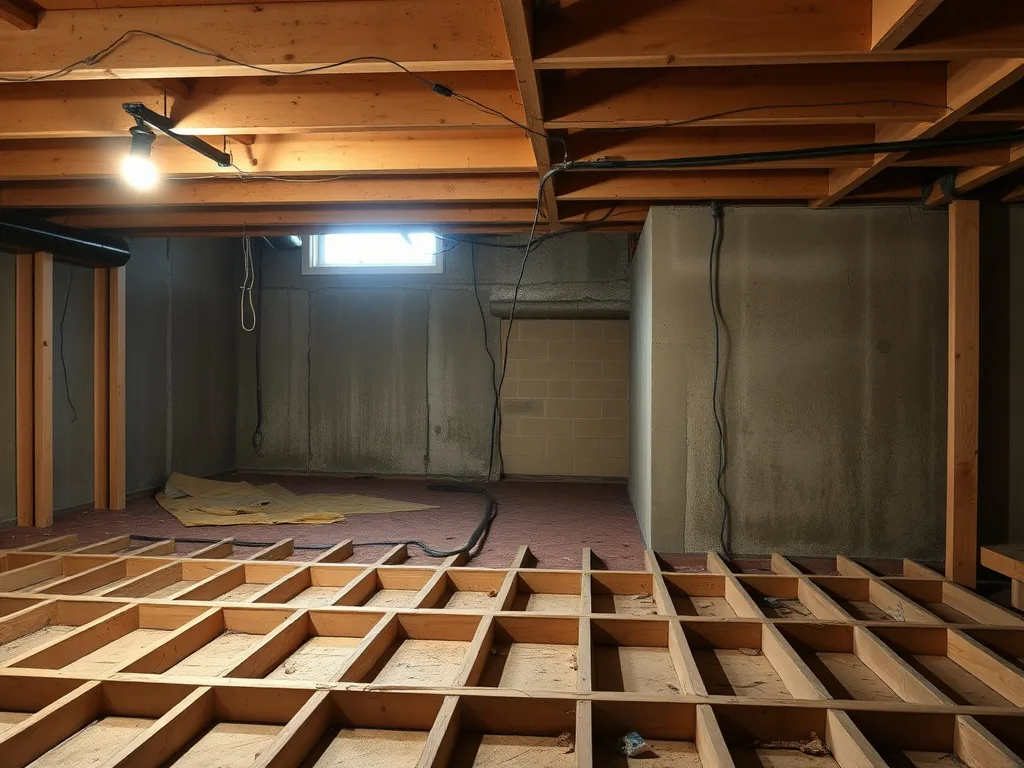
If you own a home in Akron, Cuyahoga Falls, Stow, or almost anywhere across Summit County, there's a good chance you have a full basement rather than a crawl space or slab foundation. That's the norm across this part of Ohio and the broader Midwest — and it's exactly why basement and rim joist insulation deserves its own conversation instead of an afterthought buried in an attic estimate. The basement and the band of framing that sits on top of the foundation wall, known as the rim joist or band joist, are commonly the least insulated, most air-leaky, and most moisture-exposed part of an Akron home's building envelope.
This matters for two separate reasons that both point to the same fix. First, an uninsulated rim joist is a direct, uncontrolled path for winter heat loss — cold floors upstairs and a basement that never quite feels warm often trace straight back to that gap. Second, and just as important in Akron's humid Zone 5A climate, an unsealed basement is a moisture and condensation risk that fiberglass batts actively make worse rather than better. Understanding both problems is the key to understanding why closed-cell spray foam, not fiberglass, is the standard professional recommendation here.
Why the Rim Joist Is the Weak Point in an Akron Home
The rim joist sits at the transition between the foundation wall and the wood-framed floor system above it — structurally necessary, but from an insulation and air-sealing standpoint, it's one of the most complicated assemblies in the house. It's full of small gaps, joist-bay cavities, and penetrations for plumbing and wiring, and in a lot of older Akron homes it was never insulated at all when the house was built. That makes it a direct, short path for outside air to enter the basement and for conditioned basement air to escape, which is a big part of why basements and the floors directly above them feel cold in winter even when the rest of the house seems fine.
Freeze-thaw cycling makes this worse over time, not just in a single bad winter. Akron sees real winter freeze-thaw activity — temperatures swinging above and below freezing repeatedly through the cold season — and that cycling can gradually widen small gaps and cracks around the rim joist and foundation sill as materials expand and contract. A rim joist that was marginally air-leaky when the home was built can become more so over decades of freeze-thaw stress, which is one reason a rim joist retrofit is a common and worthwhile project even on a home that's had the same insulation for 30 or 40 years without anyone touching it.
The Moisture and Condensation Problem Fiberglass Can't Solve
Basements in a humid Zone 5A climate face a moisture challenge that's different from an attic or an above-grade wall. Foundation walls are in constant contact with the ground, which stays cooler than the summer air; when warm, humid outside air makes its way into a basement through gaps at the rim joist or through a fiberglass batt that isn't sealed at its edges, it hits those cooler surfaces and condenses. That condensation cycle is exactly the mechanism behind musty basement smells, damp insulation, and the conditions that allow mold to take hold — and it's a genuine, common concern for basement-heavy housing stock across this region, not a hypothetical.
Fiberglass batts don't just fail to solve this problem — in a basement, they can actively make it worse. Batts are permeable to air and moisture, so humid air passes through them freely, and if that moisture-laden air condenses inside or behind the batt against the cold foundation wall, the fiberglass holds onto that moisture rather than letting it dry out. Wet fiberglass loses R-value, stays damp against wood framing, and creates exactly the environment mold needs. This is the core reason building science guidance has moved away from fiberglass in basement and rim joist applications in humid climates — it isn't just a cost or performance question, it's a moisture-management question, and fiberglass is on the wrong side of it.
Why Closed-Cell Spray Foam Is the Standard Choice Here
Closed-cell spray foam solves both the heat-loss and the moisture problem in a single application, which is why it's the standard recommendation for basement walls and rim joists in this climate rather than an optional upsell. Its closed-cell structure makes it effectively impermeable to bulk water and highly resistant to vapor movement, so it functions as an air barrier, a vapor-control layer, and high-R-value insulation all at once — exactly the combination a below-grade, ground-contact assembly needs. Applied directly to the rim joist and foundation wall, it fills the irregular gaps and joist-bay cavities that make this assembly so hard to insulate well with cut-and-fit batts, and it doesn't hold onto moisture the way fiberglass does if humid air reaches it.
For basement walls and rim joists, typical guidance targets R-15 continuous insulation or R-19 in a cavity fill (sometimes expressed as R-13 cavity plus R-5 continuous), and closed-cell foam's roughly R-6 to R-7 per inch makes those targets achievable within the limited depth most rim joist and foundation assemblies offer. It's worth noting that in some assemblies, correctly specified closed-cell foam itself functions as the vapor barrier — which is a reason this work benefits from a professional assessment rather than a DIY approach, since foam applied to the wrong side of an already-vapor-retarding assembly can trap moisture instead of controlling it. Getting the assembly right the first time is part of what a licensed, ratio-trained crew is actually being paid for.
- Air-seals and insulates the rim joist in one application, closing the gaps that fiberglass batts leave around penetrations and joist bays
- Provides a vapor-control layer against basement humidity and ground moisture, unlike permeable fiberglass
- Doesn't sag, settle, or hold moisture over time the way a damp fiberglass batt does
- Reduces cold-floor complaints on the level directly above an insulated basement
- Hits typical R-15 continuous / R-19 cavity guidance within realistic assembly depths
- Addresses freeze-thaw-driven air leakage at the foundation sill and rim joist directly
A Quick Note on Crawl Spaces
Not every home in the Akron area has a full basement — some homes, additions, and older structures have a crawl space instead, and the same building-science logic applies there. A crawl space in contact with the ground faces the same humidity and condensation risk as a basement wall, and closed-cell spray foam on the crawl space walls and rim joist is the same standard fix, targeting a similar R-15 continuous or higher range depending on the specific assembly. Crawl spaces are a secondary foundation type in this market compared to full basements, but where they exist, the moisture logic doesn't change.
What a Basement and Rim Joist Assessment Looks Like
Because every basement's condition, existing insulation, and moisture history are different, an accurate scope and price start with an on-site look rather than a phone estimate. A proper assessment walks the full foundation perimeter and rim joist, checks for existing insulation and its condition, looks for active moisture, past water staining, or musty odor that would need to be addressed before foam goes in, and measures the actual square footage of wall and rim joist to be treated. That's also when open questions about crawl space sections, sump areas, or finished-basement framing get sorted out, so the quote reflects your specific basement rather than a generic square-footage number.
Frequently asked questions
Basements are the dominant foundation type across the Akron area and broader Midwest, unlike slab or crawl-space-dominant regions. That means a large share of local homes have an uninsulated or under-insulated rim joist and foundation wall, which is a direct source of both winter heat loss and humidity-driven moisture risk.
Fiberglass batts are permeable to air and moisture, which means humid air can pass through them and condense against the cold foundation wall behind them, leaving the batt damp and creating conditions where mold can develop. Closed-cell spray foam avoids this because it's effectively impermeable to bulk water and air, which is why it's the standard recommendation for this specific assembly.
Typical guidance for basement walls and rim joists in this climate zone targets R-15 continuous insulation or R-19 in a cavity fill, sometimes expressed as R-13 cavity plus R-5 continuous. Closed-cell spray foam's higher R-value per inch makes these targets achievable within the limited depth most rim joist assemblies offer.
Yes — crawl spaces face the same ground-contact moisture and heat-loss issues as basement walls, and closed-cell spray foam on the crawl space walls and rim joist addresses it the same way. Crawl spaces are less common than full basements in this market, but the building-science approach doesn't change.
An uninsulated, air-leaky rim joist is a common and direct cause of cold floors on the level directly above the basement, since it's a short path for outside air to enter the floor framing cavity. Air-sealing and insulating that rim joist with closed-cell foam commonly makes a noticeable difference to floor comfort in winter.
Ready for a free quote?
Tell us about your home and we'll build a clear, no-pressure quote.